Bio-mineral chemistry that lets paper and board replace plastic
Paper only replaces plastic when it performs like plastic and costs like plastic.
Papkot works to that rule in three places: inside the fibre, on the surface and between surfaces.
AI generated art
Three platforms
Three platforms, three places on paper and board
Inside the fibre: papermaking additives. On the surface: coatings. Between surfaces: adhesives.
On the pack
From the reel to the pack in your hand
Papkot makes the materials, not the pack. Your converter makes the pack.
Inside the fibre
Paper and board
Papermaking additives go in at the wet end of the paper machine: stronger fibre bonding, more filler, less long fibre.
pa.papkot.com (opens in a new tab)Inside the fibre
Moulded pulp
Two additives for the pulp. PA8: more stiffness at a lower grammage and a better finish, at a low added cost. PA-K6: plastic-free, it replaces PFAS and holds oil and water for hours.
- PA8stiffer, lighter, smoother
- PA-K6no PFAS, oil and water hold
On the surface
Paper cups
Make cups on the machines you already run, with no plastic lining.
- Ultrasonic
- vertical sealing, 100% plastic-free
- Hot air
- horizontal sealing, SUPD compliant
On the surface
Folding cartons
Crisp and warm on arrival, with no PFAS. A breathable oil and grease barrier: steam gets out, grease stays in.
- Breathable
- KIT 6 to 12
- +20 to 30% tensile or burst
On the surface
Containerboard boxes
A box that stays strong when it is humid, and keeps food crisp. A breathable oil and grease barrier, with no PFAS, that also makes the board stronger.
- +20 to 30%tensile or burst
- 100%moist retention
- KIT 6 to 12breathable
On the surface
Food wraps
An oil and grease barrier on wrap paper, with no PFAS added. It works best on low-grammage, highly refined papers.
KIT 6 to 12, set by the coat weight
CoatingsOn the surface · TR series
Transparency boosters
The TR series makes transparent paper clearer. TR5 lowered haze by 20 to 29 points on two papers. Today it runs offline, solvent based; soon online, water based.
Haze71.8 → 42.7
TR seriesBetween surfaces
Glues and seals
Bio-mineral adhesives for paper packs: a white glue for folding cartons, two cold seals, and a heat seal that works at 120 °C.
AdhesivesBetween surfaces
Corrugator glue
A bio-mineral active-silica glue in place of starch. It reacts on contact with the paper: no drying, much less water, less energy, more speed. It resists water, so the glue line is no longer where a wet box fails.
- Instant drying
- Water resistant
Under development
Partner with us to take it to market
Inside the fibre
Papermaking additives
Papermaking additives for paper mills: stronger fibre bonding, more filler, less long fibre.
The grades, the mill results and the food-contact dossier are on pa.papkot.com.
- Repulpable
- Plastic-free, tested by SGS
- ATICELCA A+ for recyclability
- Fibres and filler in the stock.
- The additive settles where fibres cross.
- Stronger fibre bonding, more filler, less long fibre.
On the surface · On sale today
Coatings for paper cups and folding cartons
Barrier coatings that replace plastic coatings and PFAS: water barriers, and oil and grease barriers. Paper cups and folding cartons come first.
Paper cups with Papkot coatings comply with the EU Single-Use Plastics Directive (SUPD), and already compete on cost with PE extrusion.
Oil and grease barriers for food wraps and containerboard: KIT 6 to 12. The coat weight sets the level.
The TR series is the Papkot coating for transparent paper. On two transparent papers, TR5 lowered haze by 20 to 29 points. Fireseal is on sale today.
Today our coatings run offline, on rod, gravure and blade lines. Online is our roadmap: we develop our grease barriers for the size press and test them on our lab size press.
- SUPD compliant cups
- KIT 6 to 12
- Offline today
- Online: lab size press
- Paperboard, as it leaves the mill.
- A barrier coating replaces the plastic layer.
- Water and grease stay on the surface.
Between surfaces
Adhesives for paper and board packaging
Repulpable adhesives: cold seal, heat seal and white glue. All are bio-mineral and plastic-free, tested by SGS, except P12, a biopolymer from pine trees.
Two sealing solutions: one for vertical and one for horizontal packing lines. Uses include flowpacks and pouches.
- Two paper surfaces.
- An adhesive: cold seal, heat seal or white glue.
- A plastic-free, repulpable seal.
The Papkot Way
Why we exist, how we work, what we make
Why · Purpose
Aiming to remove harmful materials from the world around us.
Not just for cleaner air, water, and soil, but to protect the people and places that make life meaningful. It’s about constant reinvention and daring leaps that leave the planet healthier than the one we found.
How · Approach
We think like innovators and act like operators.
- Boots on the ground, blending data, science, and creativity to craft materials that are sustainable by design.
- We embrace daring leaps over incremental fixes, co-creating transformative solutions with our customers and bringing them to market at pace.
- We move with the precision and speed of a SEAL team, partnering deeply with industries and customers to unlock real-world impact.
What · Offer
Mineral-based, plastic-free compounds, engineered for industrial performance.
We deliver mineral-based, plastic-free compounds that are recyclable, biodegradable, and engineered for industrial performance. Beyond coatings, our technologies span adhesives and functional additives, helping industries transition away from harmful substances while improving cost and product performance. Every solution we bring to market reflects our commitment to speed, modularity, and deep-rooted industry trust.
Company
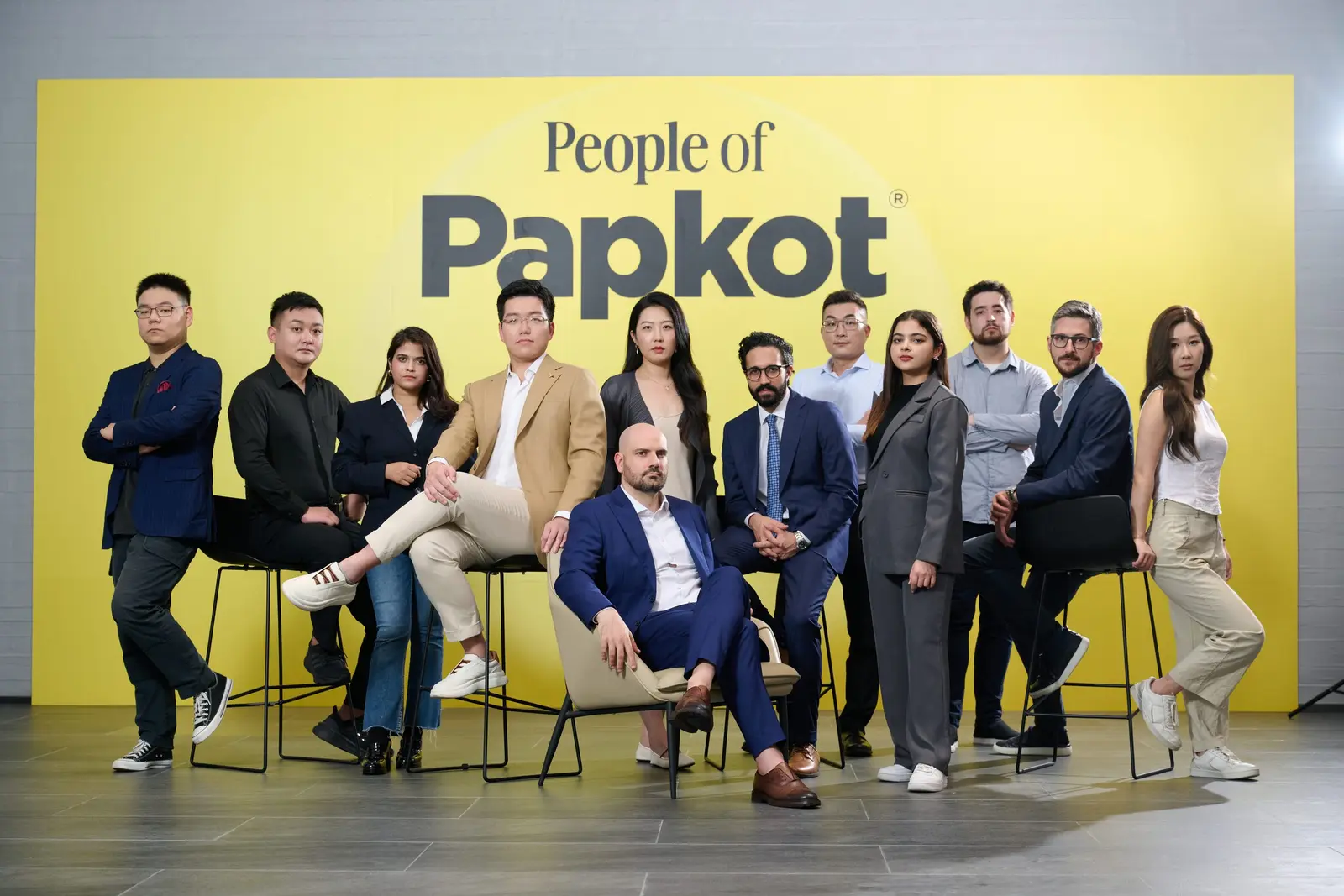
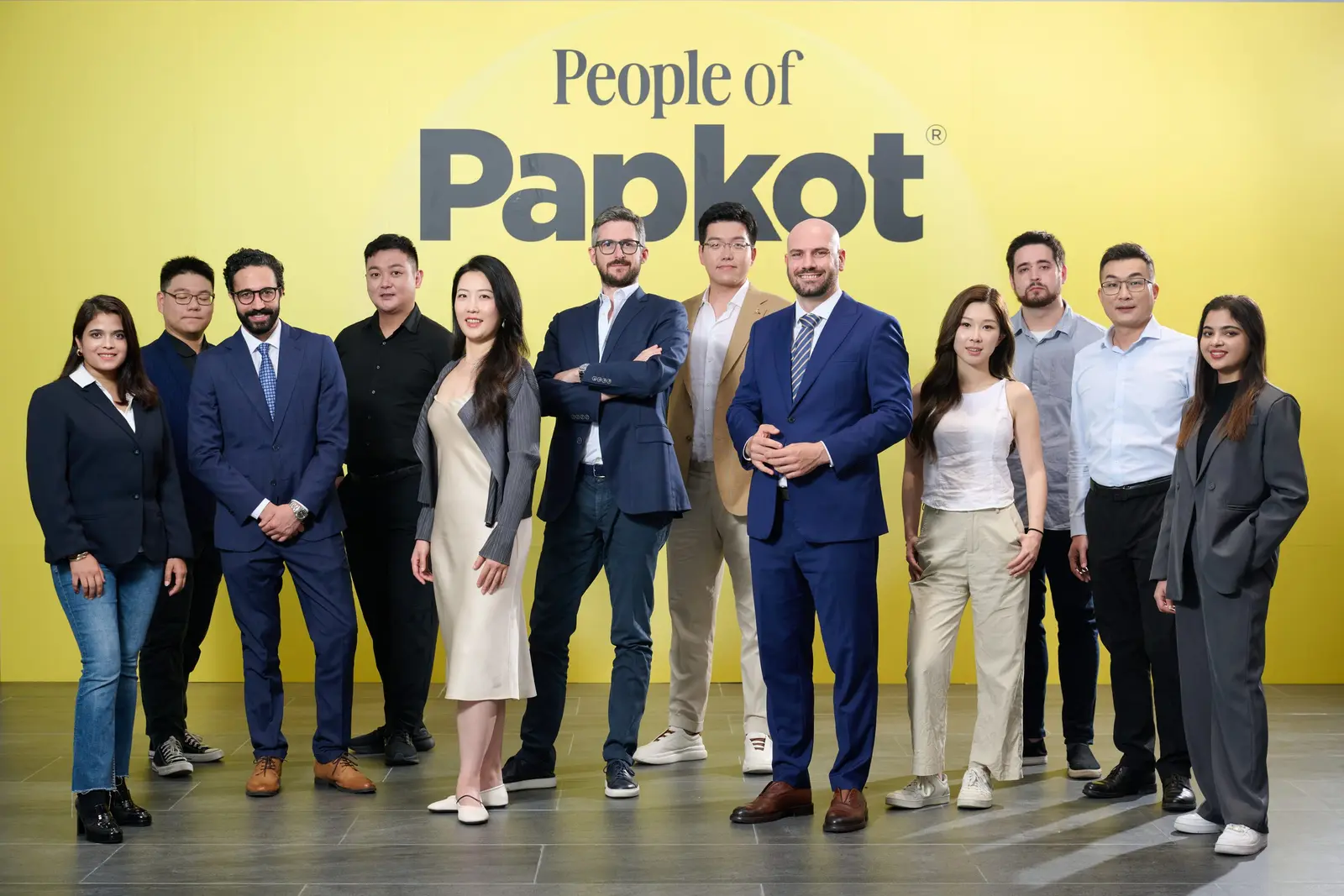
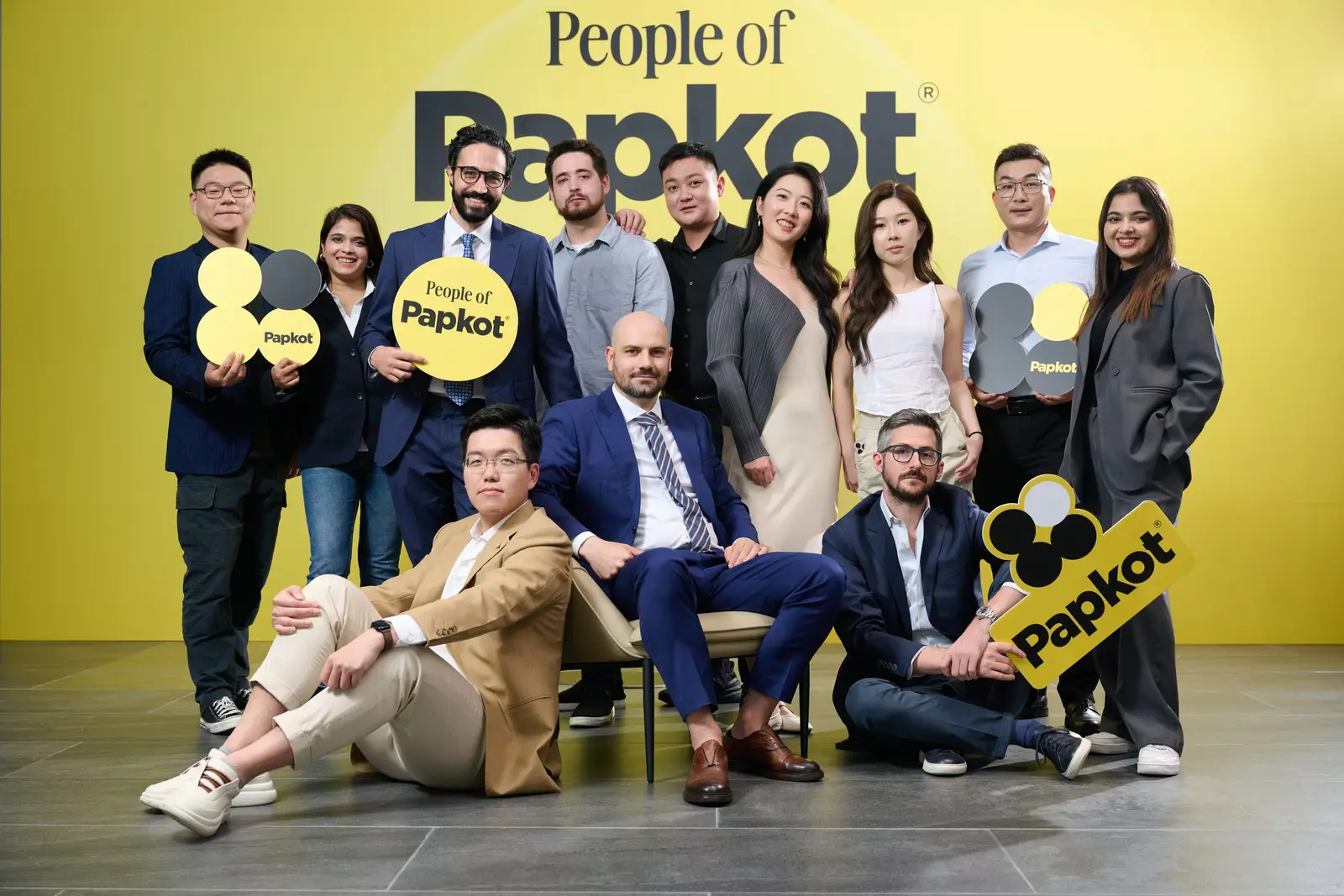
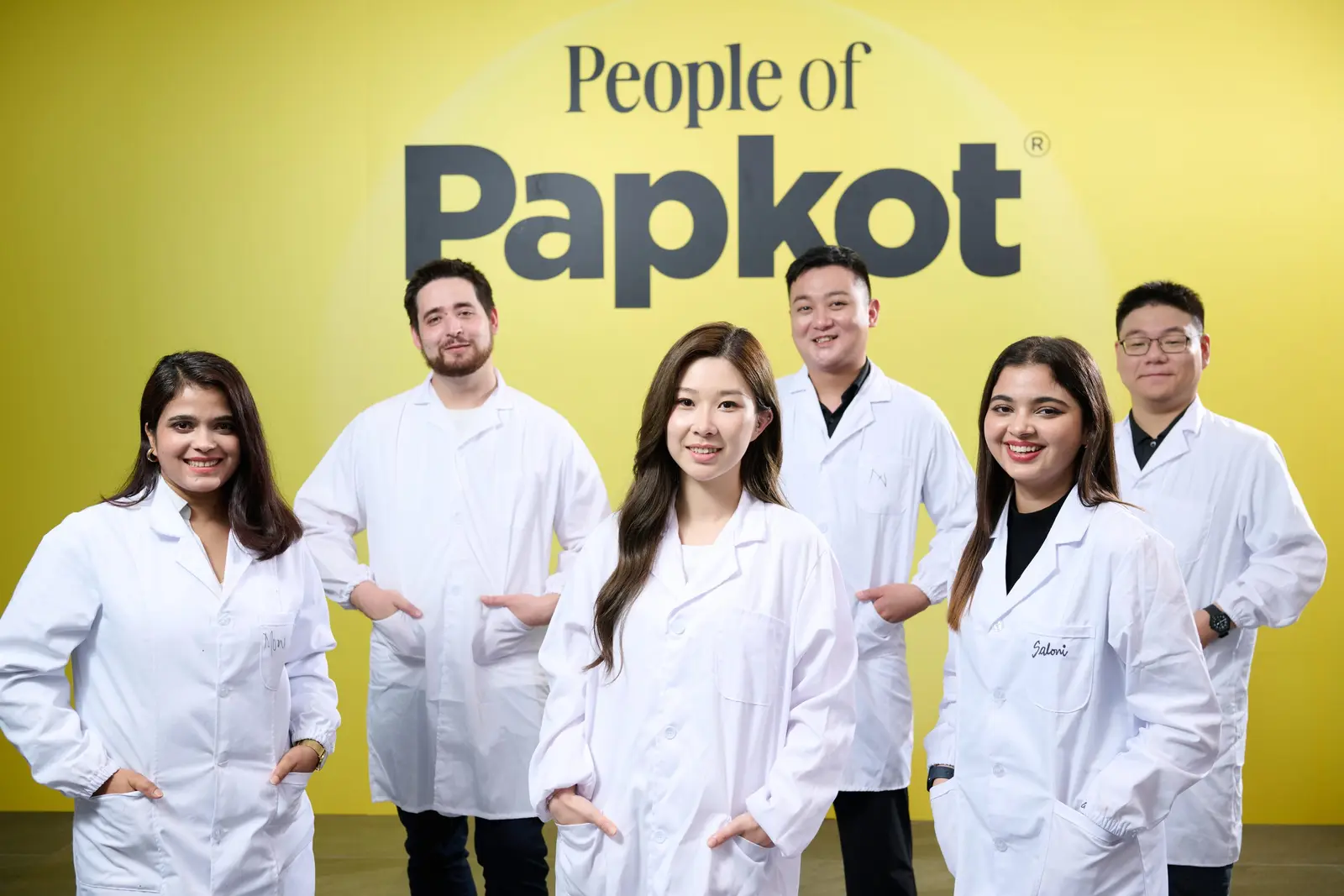
Who runs Papkot
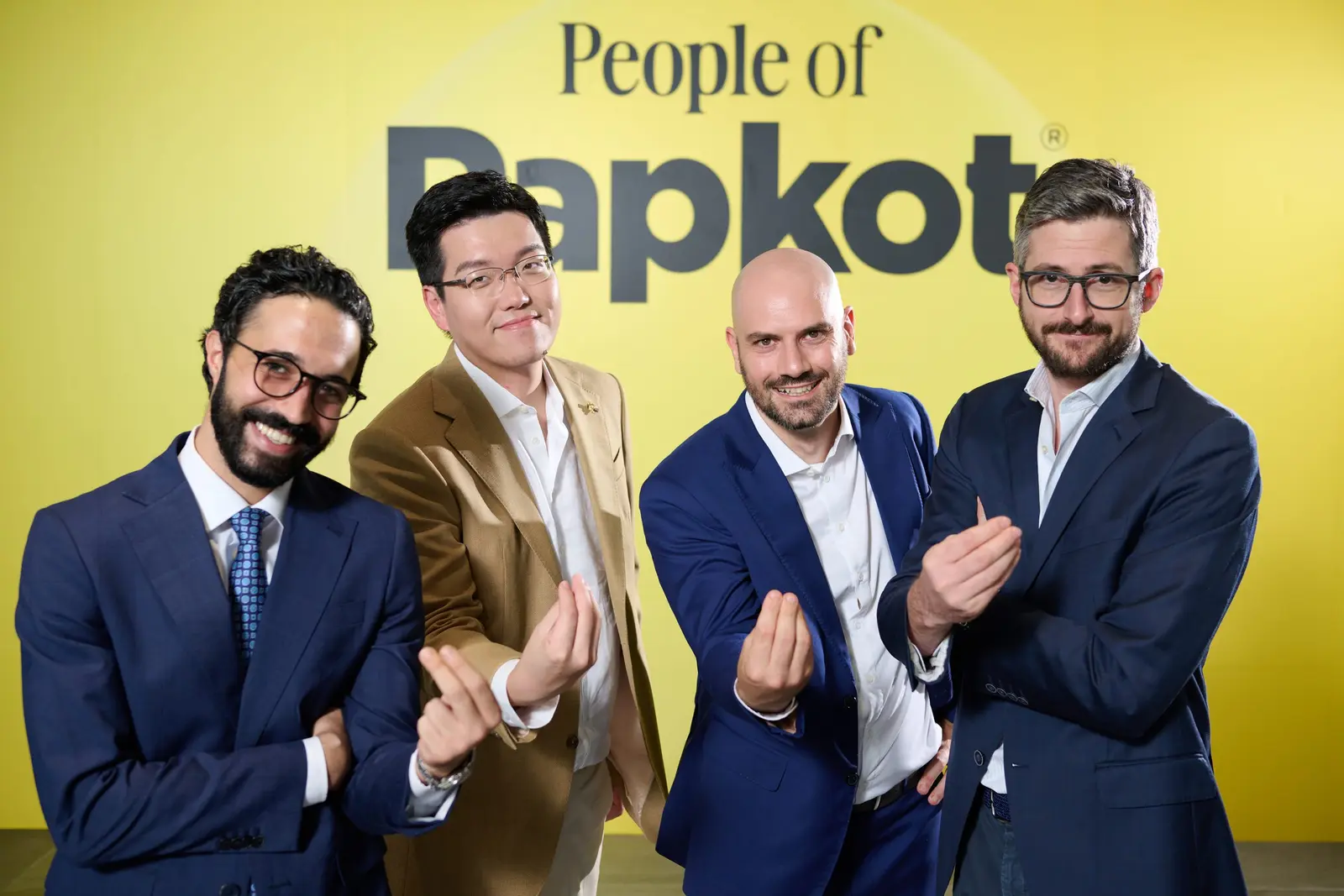
Papkot started in 2020. Its founder and CEO, Manuel Milliery, is a paper scientist and sol-gel chemist. He could not let go of one problem: plastic, and the microplastics it leaves behind.
Paper kept losing for one reason. The chemistry that makes a pack resist water, grease or tearing does not hold on fibre, so packs carry a layer of plastic. Papkot builds the bio-mineral bonding that holds that chemistry on the fibre instead.
Shenzhen, China: headquarters and lab. Verona, Italy. Schiltigheim, France: registered office.




Also here for
Press and careers
Looking for something from the earlier site? Papkot PA is now pa.papkot.com. Vetrino is on the coatings page. Join us is now Careers.
What does plastic still do on your pack?
Tell us your paper, your board or your pack. We answer within two business days.